Your scene is a huge living venture and like most speculations the more data about it, the more you receive consequently. The vast majority of us see mulch as having one capacity, to give our scene a new allure. In all actuality, appropriately laid mulch has numerous different capacities that are crucial to the wellbeing and life of our plants.
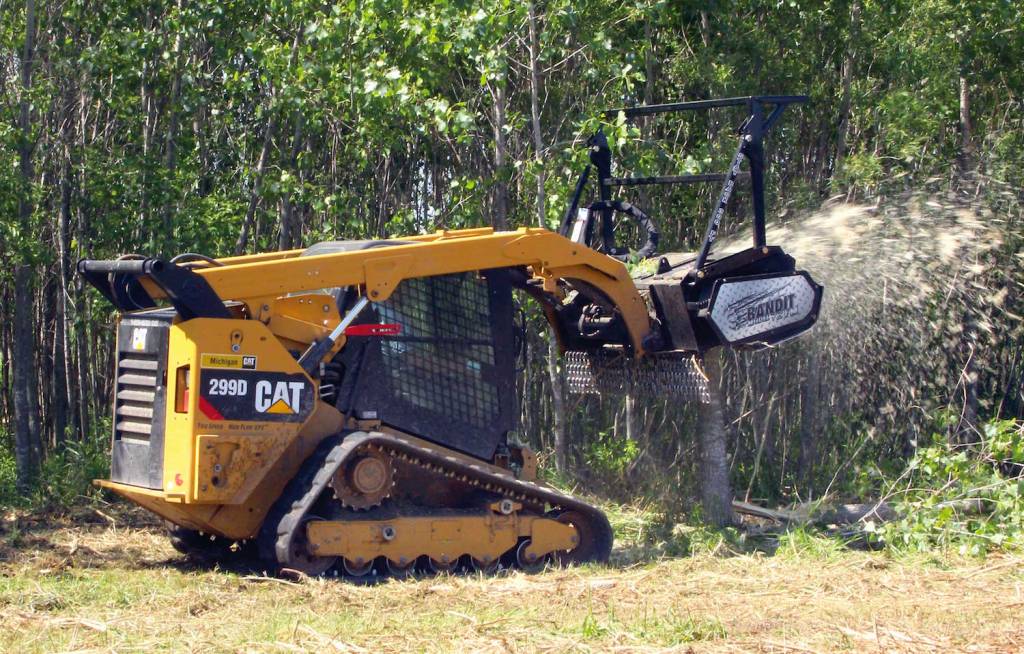
There are essentially two kinds of mulch, natural – -, for example, hardwood, bark chips, leaves and pine straw that effectively break down and inorganic – -, for example, stones, block chips and colored elastic that are extremely durable. Albeit inorganic mulches have their position in the scene, this tip sheet will be restricted to the utilization of natural mulches.
For what reason Should I Mulch?
Mulching is one of the most least difficult and most useful practices you can use in your scene. As well as giving your establishing beds a uniform, all around focused on look, mulch will:
-Assist with keeping up with soil dampness. Vanishing is decreased, and the requirement for watering can be limited.
-Assist with controlling weeds. A 2-to 4-inch layer of mulch will lessen the germination and development of weeds.
-Fill in as nature’s protecting cover. Mulch keeps soils hotter in the colder time of year and cooler in the late spring.
-Further develop soil air circulation, structure (collection of soil particles), and seepage after some time.
-Further develop soil richness.
-Can hinder specific plant sicknesses.
Plants filling in a characteristic lush climate have their underlying foundations secured in a rich, all around circulated air through soil brimming with fundamental minerals. Metropolitan scenes, in any case, are commonly a lot more extreme climate with helpless soils, minimal natural matter, and huge changes in temperature and dampness. Applying a 2 – to – 4 inch layer of natural mulch can imitate a more indigenous habitat and further develop plant wellbeing.
How Tos
While forestry mulching can be gainful to your scene, assuming that inappropriately applied it tends to be similarly hurtful. Most natural mulches should be renewed yet the pace of disintegration fluctuates. Coarser mulches may stay unblemished for a long time while better mulches many need recharged each little while.-Characterize the edges of your scene beds utilizing a nursery spade or power edger. Slicing a 3 to 4 inch box along the edge of your scene bed will hold mulch back from seeping into the turf.-Actually look at the profundity of your current mulch. Assuming that there is a current layer of mulch, either eliminate and supplant with new mulch or till the current layer.
-Not to an extreme! Profound mulch can prompt abundance dampness in the root zone. Recollect prescribed mulching profundity is 2 to 4 inches.
-Heaping mulch against the storage compartment of plants can pressure stem tissues and may prompt creepy crawly and illness issues.
-For trees, the mulch bed ought to be pretty much as extensive as the trickle line of the tree. This will guarantee the feeder roots, situated close or even past the trickle line of the tree, will be shielded from drying out as speedy and get supplements from the mulch.
-Thick covers of fine mulch can become tangled and may forestall the infiltration of water and air. Moreover, a thick layer of fine mulch can become like fertilized soil and may uphold weed development.
-For scene beds that don’t deplete well, apply a more slender layer of mulch.
Keep in mind, your scene is an enormous living venture and the more data you are familiar it, the more you can expect consequently.
 Forestry Mulching